Our magazine offers essential guidance for navigating unforeseen challenges, covering skills from film loading to meditation, ensuring preparedness and resilience for any situation.
What is “Prepping”?
“Prepping,” short for preparation, is the proactive process of preparing for emergencies, disruptions, or survival situations. It’s about self-reliance and mitigating risks, encompassing a wide range of potential scenarios – from natural disasters and economic downturns to personal crises. This isn’t about fear-mongering; it’s about responsible foresight.
The core of prepping involves acquiring the knowledge, skills, and resources needed to cope with adversity. This includes building supplies, learning essential skills like first aid and self-defense, and developing a resilient mindset. It’s about empowering yourself and your family to handle challenges independently, reducing reliance on potentially overwhelmed systems. Like learning to load a film magazine or practice mindful meditation, prepping is about gaining control.
The Core Philosophy of Self-Reliance
Self-reliance is the bedrock of the prepping lifestyle. It’s the belief in one’s ability to handle challenges independently, minimizing dependence on external systems that may fail during a crisis. This isn’t about isolation, but about building personal and community resilience. It’s about possessing the skills to provide for basic needs – water, food, shelter, and security – without relying solely on others.
This philosophy extends beyond practical skills. It encompasses mental fortitude, resourcefulness, and a proactive approach to problem-solving. Like mastering film threading or meditation techniques, self-reliance is cultivated through learning and practice. It’s about taking responsibility for your own well-being and preparing to navigate uncertainty with confidence and adaptability.
Target Audience for the Magazine
Our magazine caters to a diverse audience united by a common desire: preparedness. This includes individuals and families seeking to enhance their resilience against various disruptions – natural disasters, economic instability, or societal unrest. We aim to reach both seasoned preppers and those just beginning their journey towards self-sufficiency.
Specifically, we target those interested in practical skills, from securing resources to mastering techniques like mindful meditation. The audience values knowledge, resourcefulness, and community. They are proactive individuals who understand the importance of planning and preparation. Whether focused on home security or film preservation, they seek reliable information and actionable strategies to navigate an uncertain world.
Essential Survival Skills
This section details crucial abilities – water sourcing, food preservation, shelter construction, and fire starting – empowering readers with practical knowledge for self-reliance.
Water Procurement and Purification
Access to potable water is paramount in any survival scenario. This guide explores diverse procurement methods, from collecting rainwater and dew to locating natural springs and utilizing solar stills. However, sourcing water is only the first step; purification is critical. We’ll detail boiling techniques, the construction of DIY filters using charcoal and sand, and the effective use of purification tablets.
Understanding the risks associated with contaminated water – bacteria, viruses, and parasites – is crucial. We’ll cover identifying potential water sources and assessing their risk levels. Furthermore, we’ll discuss long-term water storage solutions, including appropriate containers and methods for preventing contamination. Mastering these skills ensures a sustainable water supply, vital for health and survival.
Food Storage and Preservation Techniques
A reliable food supply is fundamental to long-term survival. This section details various storage methods, including canning, dehydration, and fermentation – techniques used for centuries to extend shelf life. We’ll explore the pros and cons of each, focusing on cost-effectiveness and ease of implementation. Proper packaging is key; we’ll cover oxygen absorbers, mylar bags, and airtight containers to prevent spoilage.
Beyond storage, preservation is vital. Learn to create pemmican, jerky, and pickled vegetables. Understanding food rotation principles – first in, first out – minimizes waste. We’ll also address potential contaminants and pest control within your food stores. Building a well-stocked, properly preserved food supply provides security and nutritional stability during challenging times.
Shelter Building – From Basic to Advanced
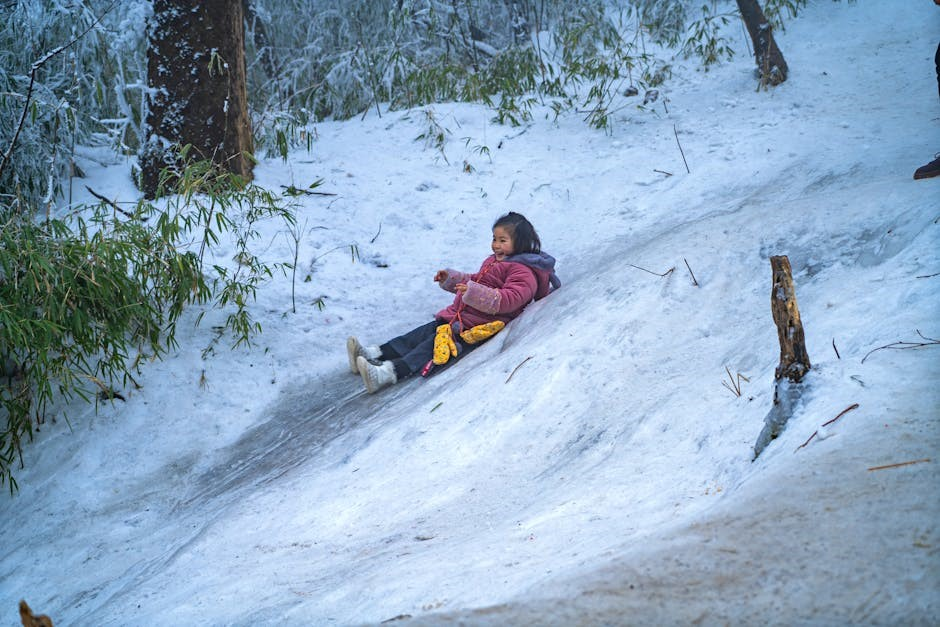
Protection from the elements is paramount for survival. This section begins with constructing rudimentary shelters using natural materials – lean-tos, debris huts, and snow caves. We’ll detail site selection, prioritizing factors like wind protection, drainage, and resource availability. Moving beyond basics, we’ll explore more robust structures like wickiups and quinzhees, requiring greater time and effort but offering superior insulation.
Advanced techniques include building log cabins and earthbag shelters, providing long-term, sustainable housing. We’ll cover essential tools, knot-tying skills, and waterproofing methods. Understanding shelter design principles – thermal mass, ventilation, and structural integrity – is crucial. A well-built shelter isn’t just protection; it’s a foundation for resilience and psychological well-being.
Fire Starting Methods – Traditional and Modern
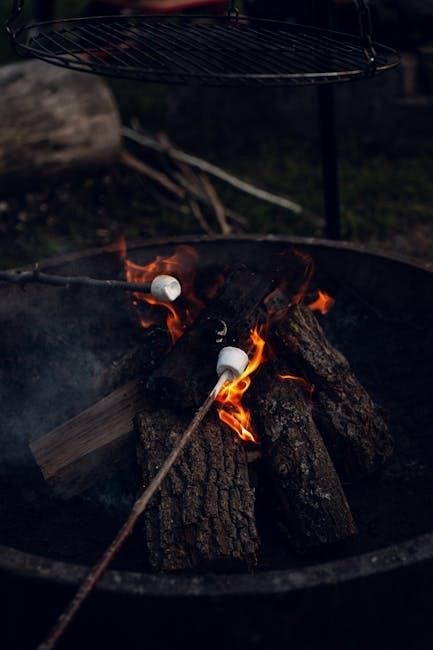
Mastering firecraft is a cornerstone of survival. We begin with traditional methods – friction-based techniques like bow drill, hand drill, and fire plow, emphasizing proper wood selection and technique. Understanding tinder bundles, kindling progression, and fuel management is vital. Next, we explore modern tools: ferrocerium rods (“ferro rods”), lighters, and matches, detailing their advantages and limitations.

Beyond ignition, we’ll cover fire lay types – teepee, log cabin, and star – optimizing for different conditions. Maintaining a fire in adverse weather, including wind and rain, is addressed. Fire isn’t just for warmth; it provides light, cooks food, purifies water, and boosts morale. Safe fire practices and responsible land management are paramount.
Medical Preparedness
Essential medical knowledge is crucial for self-reliance, encompassing first aid, herbal remedies, and long-term care strategies for resilience in any crisis.
Building a Comprehensive First-Aid Kit
A well-stocked first-aid kit is paramount for preppers, bridging the gap until professional medical help arrives – or in scenarios where it’s unavailable. Beyond basic bandages, include trauma dressings, antiseptic wipes, pain relievers, and tools like tweezers and scissors. Don’t forget specialized items: burn cream, blister treatment, and medications for pre-existing conditions.
Consider adding a SAM splint for fractures, a tourniquet for severe bleeding, and CPR mask for safe resuscitation. Knowledge is key; include a first-aid manual. Regularly check expiration dates and replenish supplies. Tailor the kit to your environment and potential threats – wilderness kits differ from urban ones. Prioritize quality over cost; reliable equipment can be life-saving. Finally, ensure all family members know the kit’s location and contents.
Treating Common Injuries and Illnesses
Preppers must be adept at handling common medical issues independently. Mastering wound care – cleaning, dressing, and monitoring for infection – is crucial. Learn to stabilize fractures using splints and manage sprains with RICE (Rest, Ice, Compression, Elevation). Recognizing and treating dehydration, burns, and allergic reactions are also vital skills.
Familiarize yourself with managing common illnesses like fever, diarrhea, and respiratory infections. Knowing when to seek further medical attention, even in a crisis, is essential. Herbal remedies can supplement care, but understand their limitations. Practice basic diagnostic skills – assessing vital signs and recognizing symptoms. Remember, proper sanitation and hygiene are paramount in preventing illness. Continuous learning and practice build confidence and competence.
Herbal Remedies and Natural Medicine
Supplementing a first-aid kit with herbal remedies offers a sustainable approach to healthcare. Learn to identify and utilize medicinal plants common to your region – understanding proper dosage and potential interactions is key. Plants like yarrow can stop bleeding, while chamomile soothes anxiety. Calendula promotes wound healing, and plantain alleviates inflammation.
However, herbal medicine isn’t without risks. Accurate identification is crucial to avoid poisonous plants. Knowledge of allergies and contraindications is vital. Natural remedies aren’t always a substitute for conventional medicine, especially in severe cases. Proper preparation – tinctures, salves, teas – maximizes effectiveness. Responsible foraging and sustainable harvesting practices ensure long-term availability.
Long-Term Medical Considerations
Beyond immediate first aid, consider chronic conditions and ongoing healthcare needs. Stockpile necessary prescription medications, understanding potential expiration dates and storage requirements. Develop strategies for managing conditions like diabetes, heart disease, or asthma without conventional medical access. Learn basic suturing techniques for wound closure when professional care is unavailable.
Dental health is often overlooked; include dental tools and learn basic procedures. Mental health is paramount – prolonged stress impacts physical wellbeing. Establish routines for psychological resilience. Consider the challenges of childbirth and pediatric care in a long-term crisis. Prioritize preventative measures, hygiene, and sanitation to minimize illness. Knowledge and preparation are your best defenses.

Gear and Equipment
Essential tools like knives, axes, and saws, alongside navigation aids – maps, compasses, and GPS – are crucial for survival, ensuring self-sufficiency.
Choosing the Right Backpack
Selecting a suitable backpack is paramount for any prepper, as it serves as your mobile survival kit. Consider capacity – a 65-80 liter pack balances space and manageability for extended trips. Internal frame backpacks distribute weight effectively, crucial for long distances.
Durability is key; look for robust materials like ripstop nylon. Waterproof or water-resistant features protect essential gear. Prioritize comfort with adjustable torso lengths, padded hip belts, and shoulder straps.
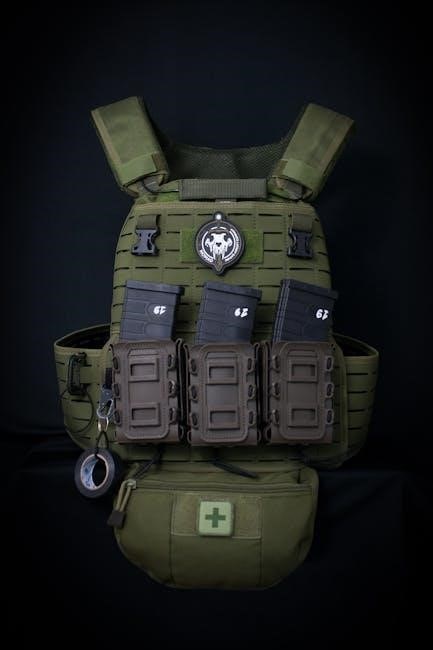
MOLLE webbing allows for external attachment of additional pouches and equipment. Don’t overlook features like hydration compatibility and multiple compartments for organization. A well-chosen backpack isn’t just a bag; it’s a lifeline.
Essential Tools – Knives, Axes, Saws
A prepper’s toolkit isn’t complete without reliable cutting tools. A full-tang knife is vital for versatility – tasks range from food preparation to shelter building. Choose a durable steel and comfortable grip. An axe excels at processing firewood and constructing substantial shelters, favoring a sturdy head and secure handle.
Saws offer efficient woodcutting with less exertion than an axe. Folding saws are compact and portable, while bow saws tackle larger limbs. Prioritize quality construction and sharp blades for optimal performance.
Regular maintenance – sharpening and cleaning – extends tool life. Mastering these tools provides self-sufficiency in a survival scenario.
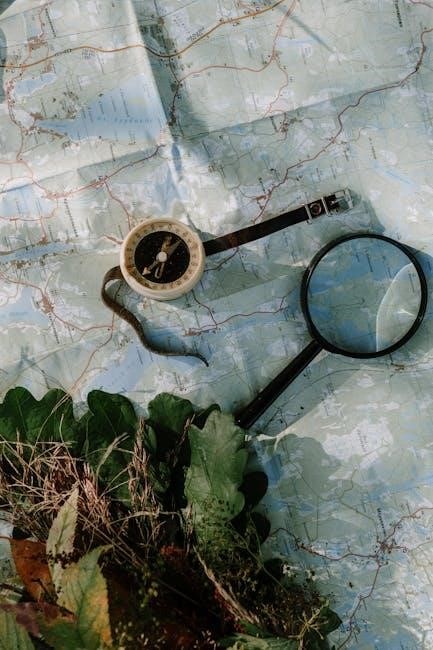
Navigation – Maps, Compasses, GPS
Effective navigation is paramount for survival, demanding redundancy in methods. Topographical maps provide a comprehensive overview of terrain, crucial for route planning and understanding surroundings. Learn to read contour lines and identify landmarks. A reliable compass, paired with map-reading skills, offers independent direction-finding, unaffected by technology failures.
GPS devices offer convenience and precision, but rely on battery power and satellite access. Consider a solar-powered charger or spare batteries.
Mastering all three – maps, compasses, and GPS – ensures you can confidently navigate any environment, even when technology fails. Practice regularly to maintain proficiency.
Communication Devices – Radios, Satellite Phones
Maintaining communication during a crisis is vital for gathering information and coordinating with others. Two-way radios, particularly GMRS (General Mobile Radio Service), allow short-range communication within a group. Ham radio offers extended range, requiring a license and training, but providing access to a wider network.
For situations where cellular networks are down, satellite phones provide a lifeline. While expensive, they offer global coverage. Consider a satellite messenger for sending pre-defined messages and SOS signals.
Hand-crank or solar-powered radios ensure access to emergency broadcasts. Regularly test all devices and understand their limitations.

Security and Defense
Protecting yourself and your resources requires layered security, encompassing home fortification, personal defense awareness, and building strong community support networks for mutual aid.
Home Security Measures
Fortifying your home is a cornerstone of preparedness. Begin with a thorough assessment of vulnerabilities – doors, windows, and potential entry points. Reinforce doors with solid-core materials and heavy-duty locks, including deadbolts. Window security can be enhanced with security film or reinforced glass.
Consider a monitored alarm system, but remember its reliance on external infrastructure. Supplement this with perimeter security like motion-sensor lights and strategically placed cameras. Don’t overlook simple deterrents like visible signage.
Develop a layered defense, creating obstacles and delaying tactics. Secure valuables, establish safe rooms, and practice home defense strategies with family members. Remember, security isn’t just about preventing entry; it’s about buying time and controlling the situation.
Personal Defense Strategies
Effective personal defense extends beyond physical confrontation. Prioritize situational awareness – constantly scan your surroundings and identify potential threats. Develop a personal security plan, including routes to avoid and safe havens to reach. De-escalation techniques are crucial; attempt to resolve conflicts verbally whenever possible.
Self-defense training, encompassing both armed and unarmed techniques, builds confidence and capability. Consider non-lethal options like pepper spray or a tactical pen. If firearm ownership is chosen, prioritize comprehensive training, safe storage, and legal compliance.
Remember, the goal isn’t to engage in violence, but to survive. Escape should always be the primary option. Mental preparedness – cultivating a decisive mindset – is as vital as physical skills.
Situational Awareness and Threat Assessment
Cultivating situational awareness is paramount for proactive safety. This involves consistently observing your surroundings – people, places, and potential hazards. Practice the “Cooper Color Code” – White (unaware), Yellow (relaxed alertness), Orange (specific alert), Red (action). Regularly assess potential threats, considering likelihood and impact.
Look for anomalies: unusual behavior, abandoned vehicles, or blocked escape routes. Trust your instincts; if something feels wrong, it probably is. Develop pre-incident indicators – subtle cues suggesting escalating danger. Regularly review and update your threat assessment based on changing circumstances.
Remember, awareness isn’t paranoia; it’s preparedness. A calm, observant mindset allows for quicker, more effective responses to evolving situations.
Community Building for Mutual Support
Self-reliance doesn’t mean isolation. Building a resilient community is crucial for long-term survival. Identify like-minded individuals with complementary skills – medical, mechanical, gardening, security. Establish clear communication protocols and shared resource pools. Regular meetings and training exercises foster trust and coordination.
Develop a reciprocal support network: offering assistance now strengthens bonds for future needs. Consider skill-sharing workshops, joint gardening projects, or neighborhood watch programs. Discuss potential scenarios and collaboratively plan responses. Remember, a strong community multiplies capabilities and reduces individual burdens.
Prioritize inclusivity and respectful communication. A united front is far stronger than fragmented efforts;

Long-Term Sustainability
Focus on self-sufficiency through gardening, alternative energy, and waste management, ensuring a resilient lifestyle beyond immediate crises for lasting independence.
Gardening and Food Production
Establishing a sustainable food source is paramount for long-term preparedness. This section delves into the art and science of gardening, moving beyond basic vegetable patches to encompass comprehensive food production strategies. We’ll explore soil health, composting techniques, and maximizing yields in limited spaces.
Learn about companion planting to naturally deter pests and enhance growth, alongside seed saving methods to ensure future harvests. Beyond vegetables, we’ll cover fruit tree cultivation, raising small livestock for eggs and meat, and foraging for edible plants in your region.
Understanding seasonal growing cycles and implementing permaculture principles will be key to building a resilient and self-sufficient food system, reducing reliance on external supplies and ensuring nutritional security during prolonged disruptions.
Alternative Energy Sources
Reducing dependence on traditional power grids is crucial for self-reliance. This section explores viable alternative energy solutions for preppers, ranging from simple to more complex systems. We’ll cover the fundamentals of solar power, including panel selection, battery storage, and charge controller options, providing a pathway to energy independence.
Beyond solar, we’ll examine wind energy possibilities, hydroelectric micro-systems (where applicable), and even bio-fuel production. Practical guides on building and maintaining these systems will be included, alongside safety considerations and cost-benefit analyses.
Understanding energy conservation techniques and efficient appliance usage will also be emphasized, maximizing the impact of your alternative energy investments and ensuring a sustainable power supply during emergencies.
Waste Management and Sanitation
Maintaining hygiene and proper waste disposal are paramount in any survival scenario, preventing disease and preserving a livable environment. This section details practical methods for handling human waste, including building composting toilets and utilizing emergency latrine systems. We’ll cover sanitation best practices for food preparation and personal cleanliness.
Beyond human waste, we’ll explore strategies for managing solid waste – reducing, reusing, and recycling materials whenever possible; Safe disposal methods for non-recyclable items will be outlined, minimizing environmental impact.
Understanding water sanitation techniques, including greywater systems and proper sewage treatment, is also vital. This ensures a clean water supply and prevents contamination, safeguarding your health and well-being during prolonged crises.
Seed Saving and Preservation
Long-term sustainability hinges on the ability to reproduce your food sources. This section provides a comprehensive guide to seed saving, covering techniques for collecting, drying, and storing seeds from various vegetables, fruits, and herbs. We’ll detail open-pollinated versus hybrid varieties, emphasizing the importance of heirloom seeds for reliable reproduction.
Proper storage is crucial; we’ll explore methods like airtight containers, cool dark locations, and even long-term freezer storage to maximize seed viability. Understanding seed lifespans and conducting germination tests will ensure your saved seeds remain potent.
Beyond storage, we’ll discuss creating a seed bank – a diversified collection safeguarding against crop failure and ensuring future food security. This is a cornerstone of self-reliance.

Psychological Preparedness
Maintaining mental fortitude is vital during crises; our magazine explores stress management, morale boosting, resilience building, and the power of strong support networks.
Dealing with Stress and Anxiety
In a crisis, stress and anxiety are inevitable companions. Our magazine provides practical techniques to navigate these challenging emotions. We delve into mindfulness exercises, drawing inspiration from meditative practices that calm the mind and reduce overwhelming feelings. Learning to control your breathing, a core component of meditation, can quickly center you during moments of panic.
Furthermore, we emphasize the importance of acknowledging your emotional state without judgment. Suppressing feelings can be detrimental. Instead, we offer strategies for healthy emotional processing, including journaling and seeking support from your network. Recognizing early warning signs of anxiety – increased heart rate, difficulty concentrating – allows for proactive intervention. Preparation isn’t just about supplies; it’s about mental readiness.
Maintaining Morale in a Crisis
Sustaining a positive outlook during prolonged hardship is crucial. This magazine stresses the power of routine, even amidst chaos. Establishing daily schedules – for tasks, meals, and even leisure – provides a sense of normalcy and control. Shared activities, like storytelling or simple games, foster camaraderie and strengthen bonds within your group.
We advocate for celebrating small victories, acknowledging progress, and focusing on what can be controlled. Cultivating gratitude, even for basic necessities, shifts perspective. Remembering pre-crisis joys – through photos or shared memories – offers comfort. Maintaining physical health through exercise, however limited, also boosts mood; A resilient spirit is as vital as any survival tool.
The Importance of Mental Resilience
This magazine emphasizes that survival isn’t solely physical; mental fortitude is paramount. The ability to adapt, cope with stress, and bounce back from setbacks defines success in a crisis. We explore techniques for building this resilience, drawing parallels to meditation’s calming effects on the mind, reducing anxiety and improving focus.
Developing a proactive mindset – anticipating challenges and formulating plans – fosters confidence. Accepting uncertainty, rather than fighting it, minimizes emotional drain. Practicing mindfulness, focusing on the present moment, prevents spiraling into worry. Recognizing and managing negative thought patterns is key. Mental resilience isn’t about avoiding hardship, but navigating it effectively.
Building a Support Network
Our magazine stresses that self-reliance doesn’t equate to isolation. A robust support network dramatically increases your chances of thriving through difficult times. This network extends beyond family to include trusted neighbors, like-minded individuals, and community groups. Shared skills and resources are invaluable – one person’s expertise can compensate for another’s weaknesses.
Regular communication and collaborative planning are crucial. Practice drills and scenarios together to identify gaps and strengthen coordination. Mutual aid agreements – pre-arranged assistance in specific situations – provide a safety net. Remember, a strong community fosters morale and reduces the psychological burden of preparedness. Cultivating these relationships before a crisis is essential; don’t wait until it’s too late.