
Sandwich Guide: A Comprehensive Overview (Updated 04/30/2026)
Today‚ April 30th‚ 2026‚ we delve into the world of sandwiches – a culinary staple with a rich history and endless variations‚ from BLTs to Reuben delights!
What is a Sandwich?, Definition and History
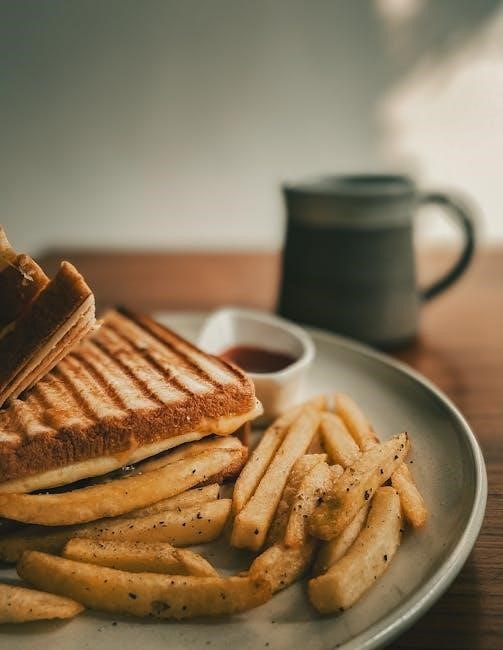
A sandwich‚ in its most fundamental form‚ is a delightful combination of flavors – typically consisting of slices of meat‚ cheese‚ or other delectable fillings nestled between two slices of bread. While the act of placing food between bread is likely as ancient as bread and meat themselves‚ the name “sandwich” is a relatively recent addition to culinary terminology.
Interestingly‚ the sandwich didn’t gain widespread recognition until the 18th century‚ specifically linked to John Montagu‚ the 4th Earl of Sandwich. Historical accounts suggest he preferred this convenient meal while engrossed in work at his desk‚ avoiding interruptions for a formal dining experience.
However‚ the concept of enclosing food within bread existed long before the Earl’s association. Evidence suggests colonial American cooks may have been preparing similar fare in the late 1700s‚ though concrete documentation remains elusive. Despite potential earlier iterations‚ the Earl’s name became synonymous with this portable and versatile food item.
The Origin of the Name: The Earl of Sandwich
John Montagu‚ the 4th Earl of Sandwich‚ is credited with popularizing – and lending his name to – the now-ubiquitous sandwich. The story goes that during extended gambling sessions (or dedicated work periods‚ accounts vary!)‚ the Earl requested meat served between slices of bread. This allowed him to continue his activities without the need for utensils or a break for a formal meal.
This practical solution quickly caught on amongst his acquaintances‚ who began requesting “the same as Sandwich!” Thus‚ the convenient food item became associated with his title. It’s important to note‚ however‚ that the Earl didn’t invent the concept of placing food between bread; rather‚ he popularized a specific way of consuming it.
His preference for this method‚ born out of convenience‚ inadvertently cemented his place in culinary history. The name stuck‚ evolving from a specific request to a universally recognized term for a beloved food enjoyed worldwide.
World Sandwich Day ─ November 3rd
Each year on November 3rd‚ the world celebrates World Sandwich Day – a delightful tribute to this incredibly versatile and universally enjoyed food. This day isn’t just about indulging in your favorite sandwich; it’s a global acknowledgment of the sandwich’s cultural significance and culinary creativity.
The celebration encourages people to explore the vast range of sandwich possibilities‚ from classic combinations to innovative creations. It’s a day to appreciate the simple pleasure of a well-made sandwich and share that enjoyment with others. Many restaurants and food establishments participate by offering special deals and promotions.
World Sandwich Day is a fantastic opportunity to experiment with new fillings‚ breads‚ and spreads‚ and to rediscover the joy of this timeless culinary staple. It’s a day dedicated to the scrumptious and fantastic creation we all know and love!

Core Components of a Sandwich
A fundamental sandwich typically features bread slices embracing fillings like meats‚ cheeses‚ or alternatives‚ creating a delightful and portable culinary experience for everyone.
Bread Selection: Types and Considerations
Choosing the right bread is paramount to a satisfying sandwich experience. The foundation of any great sandwich begins with bread – a seemingly simple element that offers incredible diversity. From classic white and wheat to hearty sourdough and rye‚ the options are vast. Consider the filling; delicate fillings pair well with softer breads‚ while robust fillings demand a sturdier loaf.

Toasting or not toasting? That is the question! Toasting adds texture and prevents sogginess‚ especially with wetter fillings. Buttering provides a protective layer and enhances flavor. Different bread types also impact the overall taste and texture. For example‚ a crusty baguette offers a satisfying crunch‚ while brioche provides a rich‚ buttery softness. Ultimately‚ bread selection is a personal preference‚ but thoughtful consideration elevates the sandwich to new heights.
Fillings: Meats‚ Cheeses‚ and Alternatives
The heart of any sandwich lies within its fillings. Traditional choices include a wide array of meats – from savory corned beef in a Reuben to crispy bacon in a BLT. Cheeses offer complementary flavors and textures‚ with Swiss‚ cheddar‚ and provolone being popular selections. However‚ the possibilities extend far beyond these classics!
For those seeking alternatives‚ the options are plentiful. Vegetarian and vegan sandwiches can feature roasted vegetables‚ flavorful spreads like hummus‚ or plant-based meat substitutes. Consider the interplay of flavors and textures; a creamy avocado pairs beautifully with spicy peppers‚ while a sharp cheese balances a sweet filling. Don’t be afraid to experiment and create unique combinations that tantalize your taste buds. The filling is where creativity truly shines!
Spreads & Condiments: Enhancing Flavor
Spreads and condiments are the unsung heroes of a truly exceptional sandwich‚ elevating simple combinations to gourmet experiences. Beyond basic butter‚ consider mustards – from Dijon to honey mustard – which add tang and complexity. Mayonnaise provides creaminess‚ while flavored aiolis introduce bold‚ aromatic notes.
Don’t underestimate the power of chutney! Mango‚ apple‚ or cranberry chutneys offer a delightful sweet and savory contrast‚ particularly well-suited with prosciutto and cheese. For a unique twist‚ explore options like Vegemite‚ an Australian classic‚ which‚ while potent‚ adds a distinctive umami flavor. These additions aren’t merely afterthoughts; they’re integral components that bind the filling to the bread and create a harmonious blend of tastes. Experimentation is key to unlocking your sandwich’s full potential!
Popular Sandwich Types
From timeless classics like the BLT‚ grilled cheese‚ and Reuben‚ to the comforting peanut butter and jelly and energizing breakfast sandwiches‚ options abound for every palate!
The Classic BLT: Bacon‚ Lettuce‚ and Tomato
The BLT‚ an enduring symbol of sandwich perfection‚ boasts a remarkably simple yet satisfying combination. Crispy bacon‚ fresh lettuce‚ and juicy tomato slices unite between toasted bread‚ often enhanced with a smear of mayonnaise. Its origins are somewhat murky‚ evolving from earlier bacon sandwiches in the late 19th and early 20th centuries.
The key to a truly exceptional BLT lies in the quality of its ingredients. Thick-cut bacon‚ ideally smoked‚ provides a delightful crunch and savory flavor. Crisp‚ vibrant lettuce – romaine or iceberg are popular choices – adds texture and freshness. Ripe‚ in-season tomatoes contribute a burst of sweetness and acidity.
While seemingly straightforward‚ the BLT allows for subtle variations. Some prefer toasted white bread‚ while others opt for sourdough or whole wheat. A touch of black pepper or a sprinkle of salt can elevate the flavors further. Ultimately‚ the BLT’s enduring appeal rests on its harmonious balance of textures and tastes.
Grilled Cheese Sandwich: A Comfort Food Staple
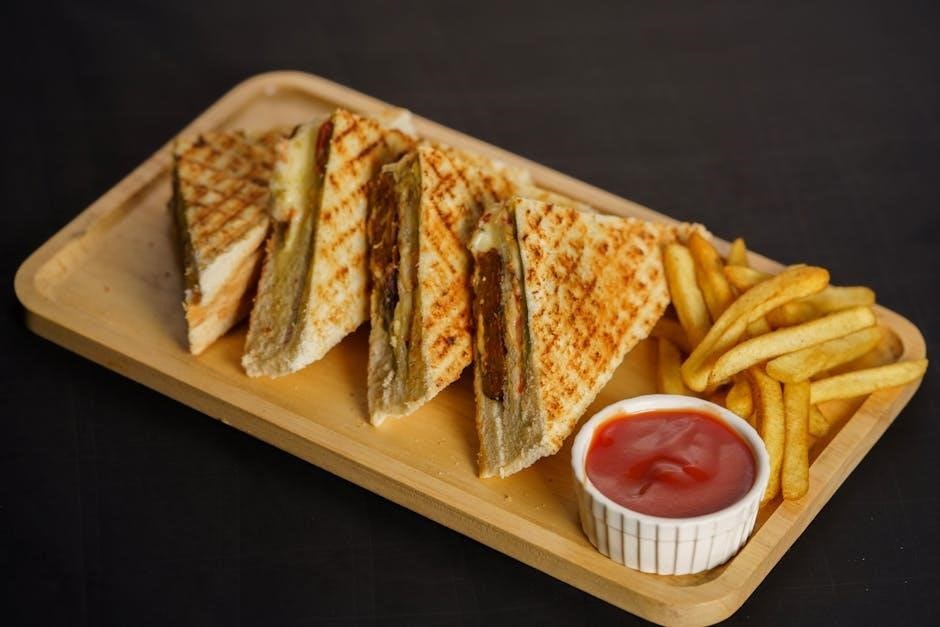
The grilled cheese sandwich reigns supreme as a quintessential comfort food‚ evoking nostalgic memories for many. Its simplicity is its strength: cheese melted to gooey perfection between slices of buttered and toasted bread. Though seemingly basic‚ the grilled cheese boasts a surprisingly rich history‚ evolving from earlier cheese toast variations.
The choice of cheese is paramount. Cheddar is a classic‚ offering a sharp and familiar flavor‚ but Gruyère‚ Monterey Jack‚ or even a blend can elevate the experience. Bread selection also plays a role; sourdough provides a tangy counterpoint‚ while white bread offers a classic‚ soft texture.
Beyond the basics‚ variations abound. Some add a slice of tomato‚ transforming it into a sophisticated twist. Others incorporate ham or bacon for a heartier meal. The grilled cheese’s versatility and comforting warmth ensure its continued popularity as a beloved culinary classic.
The Reuben: Corned Beef‚ Swiss‚ and Sauerkraut
The Reuben sandwich‚ a true deli classic‚ is a masterful blend of savory‚ tangy‚ and rich flavors. Originating (likely) at Reuben’s Restaurant in New York City‚ this iconic sandwich features thinly sliced corned beef layered with tangy sauerkraut‚ creamy Swiss cheese‚ and Russian dressing‚ all grilled between slices of rye bread.
The key to a perfect Reuben lies in the quality of its ingredients. The corned beef should be tender and flavorful‚ the sauerkraut crisp and well-drained‚ and the Swiss cheese perfectly melted. Russian dressing‚ with its blend of mayonnaise‚ ketchup‚ and spices‚ provides the crucial creamy counterpoint to the savory meats.
Traditionally served with a pickle and often accompanied by coleslaw‚ the Reuben remains a beloved staple‚ showcasing the art of sandwich construction and flavor harmony. It’s a testament to simple ingredients expertly combined.
Peanut Butter and Jelly: A Timeless Favorite
The Peanut Butter and Jelly (PB&J) sandwich stands as a quintessential comfort food‚ a nostalgic reminder of childhood for many. This remarkably simple creation – peanut butter and jelly spread between two slices of bread – has endured as a lunchtime staple for generations. Its appeal lies in its delightful combination of sweet and savory‚ creamy and slightly sticky textures.
While variations abound – smooth or crunchy peanut butter‚ grape‚ strawberry‚ or raspberry jelly – the core elements remain constant. The choice of bread also plays a role‚ with white bread being the traditional preference‚ though wheat or other varieties are increasingly popular.
The PB&J’s enduring popularity speaks to its accessibility‚ affordability‚ and satisfying taste. It’s a quick‚ easy‚ and universally loved sandwich‚ proving that sometimes‚ the simplest things are the best.
Breakfast Sandwiches: Fueling Your Morning
Breakfast sandwiches have become a cornerstone of the modern morning routine‚ offering a convenient and satisfying way to start the day. These portable meals typically feature eggs‚ cheese‚ and a protein source – bacon‚ sausage‚ or ham – nestled between bread‚ biscuits‚ or English muffins. Their versatility allows for endless customization‚ catering to diverse tastes and dietary preferences.
The appeal of a breakfast sandwich lies in its ability to deliver a hearty and flavorful meal quickly. Whether enjoyed at home or grabbed on the go‚ it provides sustained energy to power through the morning hours. Variations range from simple egg and cheese combinations to elaborate creations with avocado‚ spinach‚ or spicy sauces.
A well-crafted breakfast sandwich is a delightful blend of textures and flavors‚ making it a truly satisfying and popular choice.
Beyond the Basics: Exploring Sandwich Variations
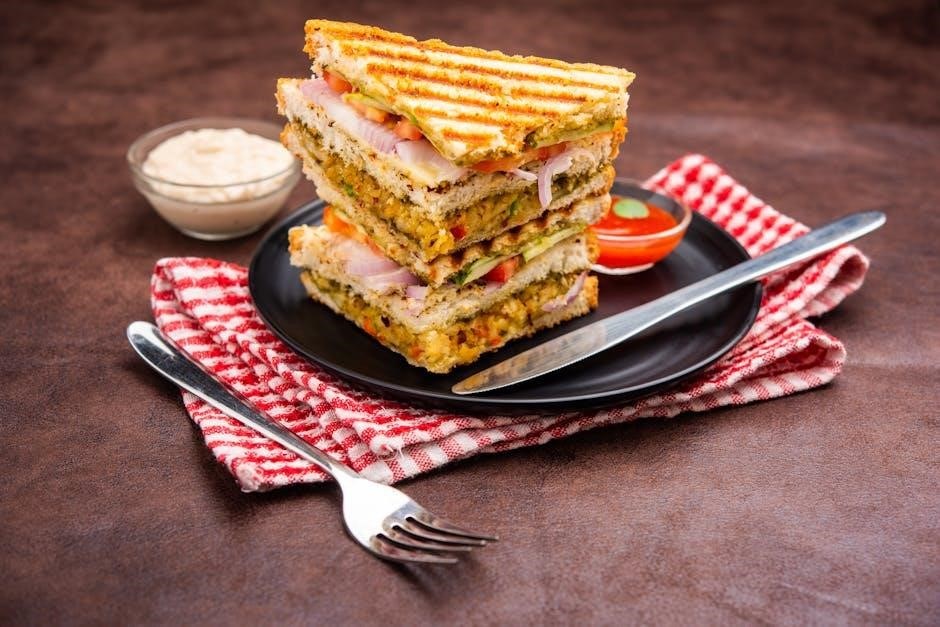
Sandwich artistry extends far beyond the familiar! Discover open-faced delights‚ layered club sandwiches‚ sweet-salty prosciutto and dates‚ and even the uniquely Australian Vegemite sandwich.
Open-Faced Sandwiches: A Different Approach
Open-faced sandwiches represent a delightful departure from the traditional‚ enclosed form. Instead of a top slice of bread‚ these sandwiches showcase their fillings‚ creating a visually appealing and texturally interesting experience. This style‚ essentially a topping or toppings on a single slice of bread‚ allows for generous portions and a focus on the quality of each ingredient.
Historically‚ open-faced sandwiches were popular in Scandinavian cuisine‚ particularly in Denmark with their smørrebrød. However‚ their appeal transcends geographical boundaries. They offer a canvas for creativity‚ allowing for elaborate arrangements and flavor combinations. Think of a slice of hearty rye bread topped with smoked salmon‚ dill cream cheese‚ and capers – a sophisticated and satisfying bite.
The simplicity of the open-faced format also makes them ideal for utilizing leftovers or showcasing seasonal produce. They’re a fantastic way to elevate a simple meal into something special‚ offering a different approach to the classic sandwich experience.
Club Sandwiches: Layered and Sophisticated
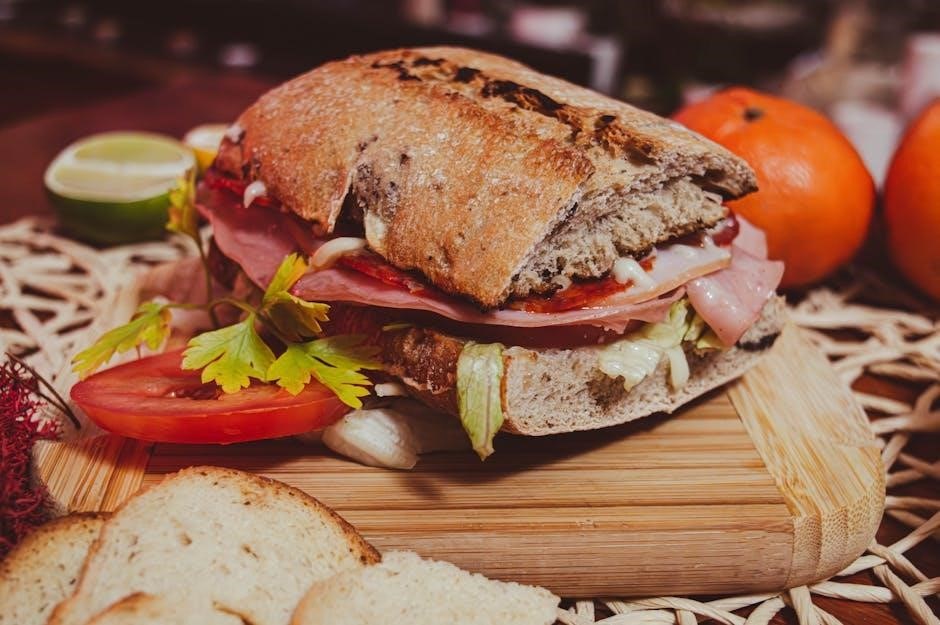
Club sandwiches embody a certain elegance – a layered construction promising a substantial and satisfying meal. The very name “club” evokes images of exclusive establishments and refined tastes. Often built with toasted bread‚ they typically feature sliced turkey or chicken‚ bacon‚ lettuce‚ tomato‚ and mayonnaise‚ stacked high and often cut into quarters and secured with toothpicks.
Using the word “sophisticated” in relation to a club sandwich isn’t accidental; it suggests a careful selection of ingredients and a deliberate assembly. While variations exist‚ the core principle remains: multiple layers creating a complex interplay of textures and flavors. Some iterations even include an extra layer of ham or cheese‚ elevating the experience further.
The expectation of “schmancy” ingredients‚ as some might say‚ isn’t unreasonable. A well-made club sandwich is more than just a quick lunch; it’s a statement – a testament to the art of sandwich making.
Prosciutto and Dates Sandwich: Sweet and Salty Delight
The Prosciutto and Dates sandwich represents a beautiful marriage of contrasting flavors – the salty‚ cured meat perfectly balanced by the natural sweetness of dates. This combination isn’t merely palatable; it’s a culinary experience‚ offering a delightful complexity that elevates it beyond the ordinary lunchtime fare. Often considered a fantastic lunchbox option‚ it’s surprisingly easy to prepare.
This sandwich truly shines with the addition of complementary elements. Cheese‚ in particular‚ enhances the overall profile‚ adding a creamy texture and further depth of flavor. A touch of chutney – mango‚ apple‚ or cranberry – introduces a tangy sweetness that harmonizes beautifully with the prosciutto and dates.
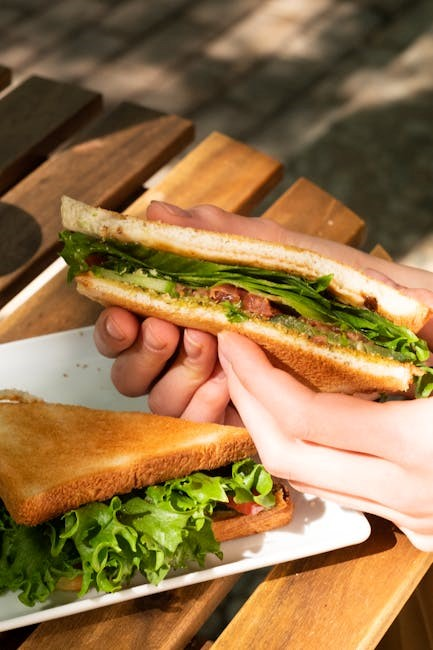
It’s a testament to how simple ingredients‚ thoughtfully combined‚ can create something truly exceptional. This sandwich is a sweet and savory sensation!
Vegemite Sandwiches: An Australian Classic
The Vegemite sandwich stands as an iconic representation of Australian cuisine‚ a simple yet deeply cherished staple for generations. Often met with initial skepticism by those unfamiliar with its unique taste‚ Vegemite offers a surprisingly satisfying savory experience when prepared correctly. It’s not overpowering‚ but rather a concentrated umami bomb on bread!
The key to enjoying a Vegemite sandwich lies in moderation. A thin spread is crucial; too much can indeed be overwhelmingly salty. Australians typically enjoy it on buttered bread‚ which helps to balance the intensity of the Vegemite. It’s a comfort food‚ a taste of home‚ and a cultural touchstone.
Don’t underestimate this seemingly humble sandwich – it’s a true Australian classic‚ and a surprisingly delicious one at that!
Sandwich Making Techniques
Mastering sandwich creation involves thoughtful bread preparation – toasting or buttering – strategic filling arrangement for optimal flavor‚ and appealing cuts for presentation.
Bread Preparation: Toasting‚ Buttering‚ and More
The foundation of any exceptional sandwich begins with the bread itself‚ and proper preparation is paramount. Simple buttering isn’t merely about adding flavor; it creates a moisture barrier‚ preventing soggy sandwiches. Toasting offers a delightful textural contrast‚ adding crunch and preventing fillings from making the bread fall apart.
Consider the bread’s role – a sturdy loaf for a substantial filling‚ or a softer variety for delicate ingredients. Beyond butter‚ explore flavored spreads directly on the bread for an extra layer of complexity. Lightly toasting can enhance even the softest breads‚ providing structural integrity. Don’t underestimate the impact of a well-prepared base; it elevates the entire sandwich experience. Experiment with different techniques to discover what best complements your chosen fillings!
Filling Arrangement: Maximizing Flavor Distribution
Strategic filling arrangement is key to a harmonious sandwich experience. Don’t simply pile ingredients haphazardly! Consider layering textures and flavors for optimal enjoyment in every bite. Placing ingredients with contrasting moisture levels strategically prevents sogginess. For example‚ a layer of lettuce can act as a barrier between juicy tomatoes and the bread.
Distribute fillings evenly across the bread’s surface‚ ensuring each section delivers a balanced taste. Consider the weight distribution – heavier items at the center provide stability. Don’t be afraid to create pockets of flavor by grouping complementary ingredients together. Thoughtful arrangement transforms a simple sandwich into a culinary delight‚ maximizing flavor distribution and textural contrast with every single bite!
Cutting and Presentation: Making it Appealing
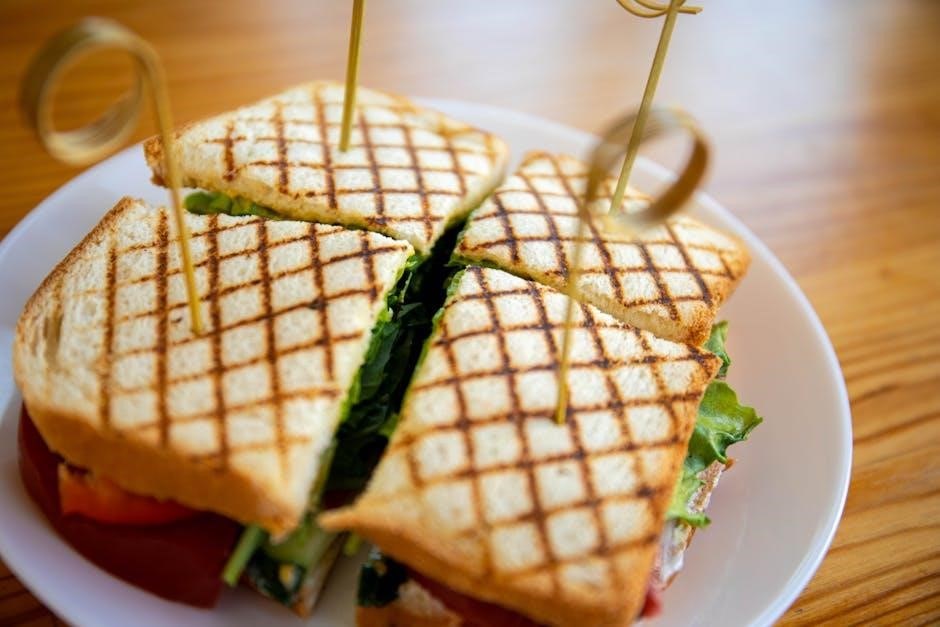
The final touch: cutting and presentation! A beautifully presented sandwich elevates the entire experience. Consider the sandwich’s structure when choosing a cutting method. Diagonal cuts showcase the layers and create visually appealing triangles‚ while straight cuts offer a classic‚ clean look. Secure the sandwich with toothpicks if necessary‚ especially for taller creations.
Garnishing adds a pop of color and freshness. A simple sprig of parsley or a side of crisp pickles can enhance the visual appeal. Presentation isn’t just about aesthetics; it’s about signaling quality and care. A well-cut and thoughtfully presented sandwich demonstrates attention to detail‚ making it even more inviting and enjoyable. Remember‚ we eat with our eyes first!

Sandwich Considerations
Exploring the broader context‚ sandwiches have a fascinating history‚ from colonial America to modern blogs‚ and pair wonderfully with sides and drinks for a complete meal.
Sandwiches in Colonial America: Historical Evidence
Delving into the past‚ the presence of sandwiches in Colonial America presents a curious historical puzzle. While the concept of placing food between bread slices is undoubtedly ancient‚ the named sandwich‚ as we know it‚ emerged in the 18th century with the Earl of Sandwich. However‚ did colonial cooks actually make sandwiches?
The evidence is elusive. Many colonial cooks weren’t eager to copy British culinary trends‚ creating a potential barrier to sandwich adoption. Despite this‚ it’s highly probable they utilized similar methods – essentially‚ portable meals constructed with bread and fillings. Finding definitive‚ documented “sandwich” recipes from that era proves challenging.
Records are scarce‚ and direct references are hard-pressed to surface. It’s likely they existed in practice‚ even if not formally recognized or recorded as “sandwiches” in cookbooks or household inventories. The practicality of such a meal for travelers or laborers suggests its likely presence‚ despite the lack of concrete proof.
Pairing Sandwiches: Complementary Sides and Drinks
Elevating the sandwich experience extends beyond the bread and filling; thoughtful pairings truly enhance the meal. The ideal side dish depends heavily on the sandwich itself. A hearty Reuben calls for crisp dill pickles and perhaps a German potato salad‚ mirroring its flavors.
Lighter fare‚ like a delicate prosciutto and dates sandwich‚ benefits from a fresh green salad with a light vinaigrette or a side of fruit. Classic combinations include chips – potato‚ tortilla‚ or even sweet potato – offering a satisfying crunch.
Drink pairings are equally important. Iced tea‚ lemonade‚ or a crisp lager complement many sandwiches. For richer options like grilled cheese‚ tomato soup is a timeless choice. Exploring different beverage options can unlock new dimensions of flavor‚ creating a truly satisfying culinary experience.
Sandwich Storage: Keeping it Fresh
Maintaining sandwich quality after preparation requires careful attention to storage. Moisture is the primary enemy‚ leading to soggy bread and compromised fillings. For short-term storage – a few hours – wrapping tightly in plastic wrap or beeswax wrap can help retain freshness.
For longer storage‚ consider layering ingredients strategically. Placing lettuce between the filling and bread can act as a moisture barrier. Avoid adding wet ingredients like tomatoes or mayonnaise until just before serving. Refrigeration is crucial‚ but be aware that some breads may dry out.
Pre-made sandwiches are best consumed within 24 hours. Properly stored‚ they remain safe to eat for a bit longer‚ but quality diminishes. Freezing is an option for some sandwiches‚ but texture may be affected upon thawing. Always prioritize freshness for the best taste!
Sandwich Blogs and Resources: Sandwiches of History
For sandwich enthusiasts seeking deeper knowledge and inspiration‚ a wealth of online resources exists; Numerous blogs and websites are dedicated to the art of sandwich making‚ offering recipes‚ techniques‚ and historical insights.
Barry Enderwick’s “Sandwiches of History” blog stands out as a unique treasure trove. He diligently rescues forgotten sandwich recipes from the past‚ offering a fascinating glimpse into culinary traditions. This blog is a must-visit for those interested in the evolution of this beloved food.
Beyond specialized blogs‚ general food websites and platforms like Yahoo often feature sandwich-related content. Exploring these resources can uncover new ideas‚ ingredient combinations‚ and regional variations. Don’t hesitate to utilize search engines to discover even more niche communities and passionate sandwich creators!
Unique Sandwich Ingredients: Caviar and Beyond
While classic sandwich fillings remain popular‚ adventurous palates often seek out more unconventional ingredients. The possibilities are truly limitless‚ pushing the boundaries of what defines a “sandwich.”
The mention of caviar in relation to sandwiches might seem extravagant‚ but it highlights the potential for sophisticated flavor combinations. Utilizing high-end ingredients elevates the sandwich experience‚ transforming it into a gourmet delight. This demonstrates that sandwiches aren’t limited to simple fare.
Beyond caviar‚ consider exploring unique cheeses‚ artisanal meats‚ exotic fruits‚ or homemade spreads. Don’t be afraid to experiment with textures and flavors – the goal is to create a sandwich that is both surprising and satisfying. Ultimately‚ a unique ingredient can transform a familiar format into something extraordinary!